This guide assumes you want to experience Munich like someone who actually lives here, not someone checking boxes. It means slower mornings, good transit passes, understanding neighborhoods, and knowing which beer halls are worth the crowds and which ones to skip.
The city works because of beer culture and neighborhoods. Marienplatz is the center, but it’s not where locals actually spend time. The real Munich is 15 minutes outward in any direction.
Getting Around: Transit Only
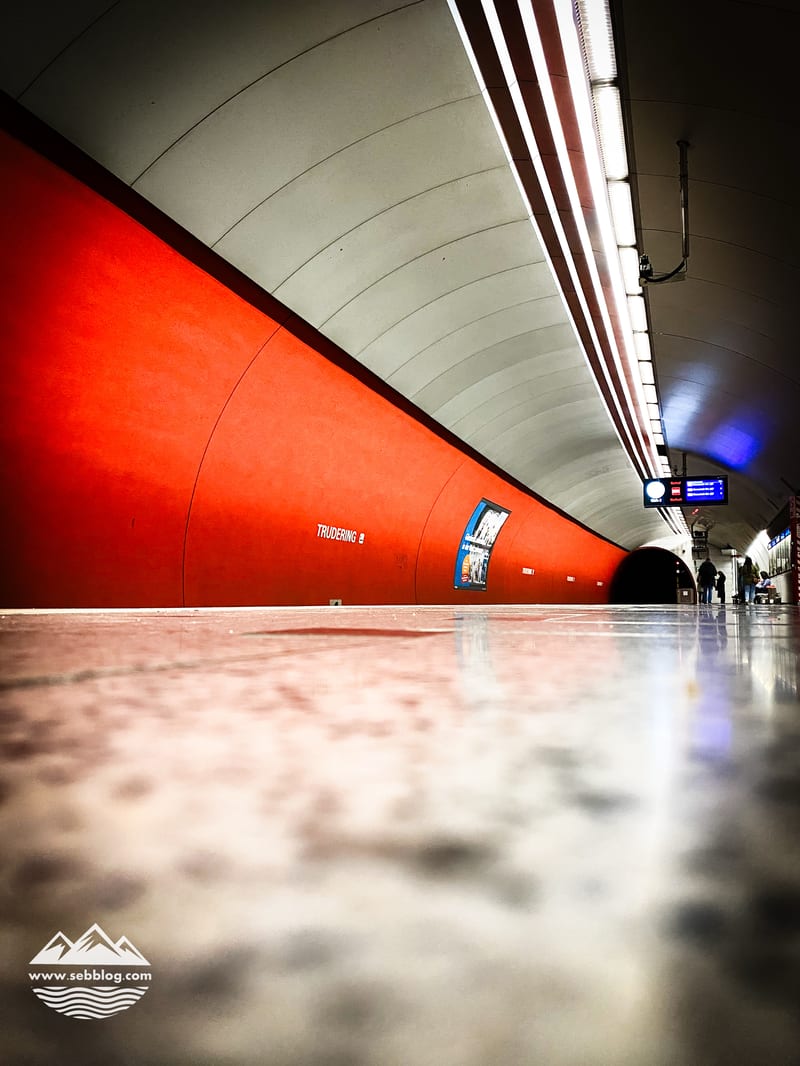
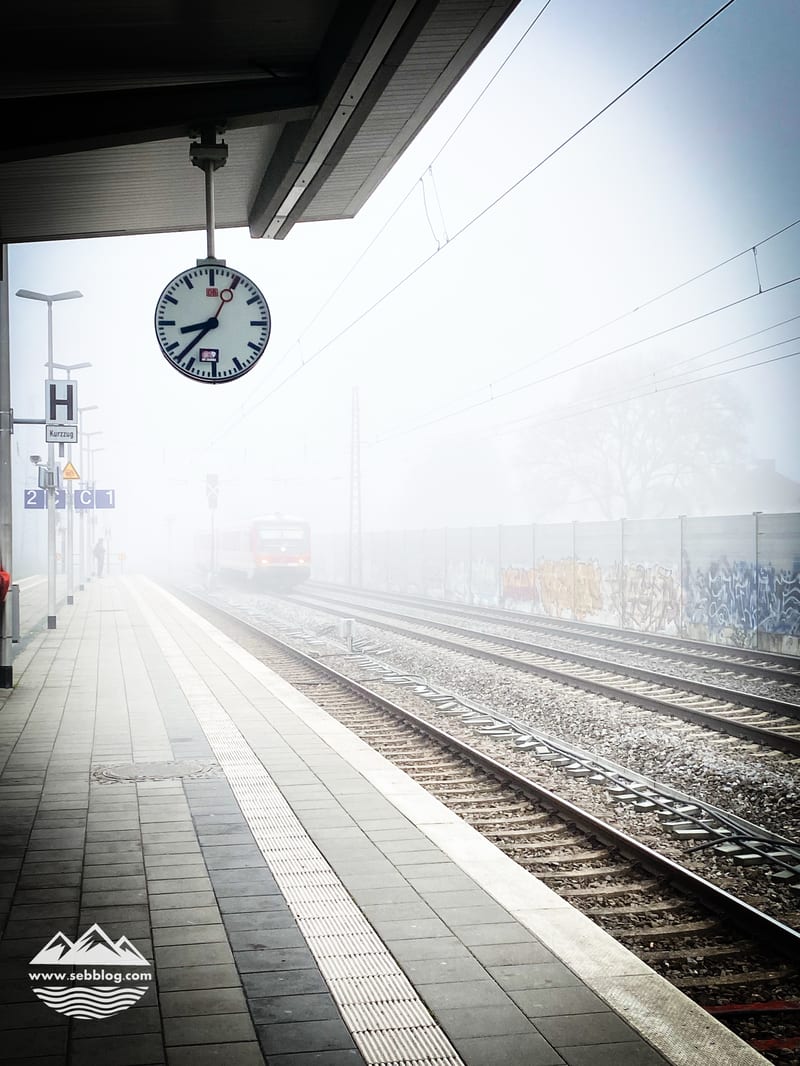
Skip single tickets. Get a 3-day City Ticket (3-Tage Karte). It covers unlimited U-Bahn (subway),S-Bahn (commuter rail), trams, and buses. Cost: €23.80 for 1 person. This is how locals move.Download the MVG app (Munich’s transit authority). It tells you exactly which platform, which train,and when you’ll arrive.
Hop-on-hop-off buses are also an option if you prefer a different pace. They hit major attractionsand let you explore at your own speed, though trains and U-Bahn are generally faster forpoint-to-point travel.
The system runs until around 1-2am on weekends, so night movement isn’t a problem.
Day 1: Marienplatz and Beer Culture
Morning: Start Central
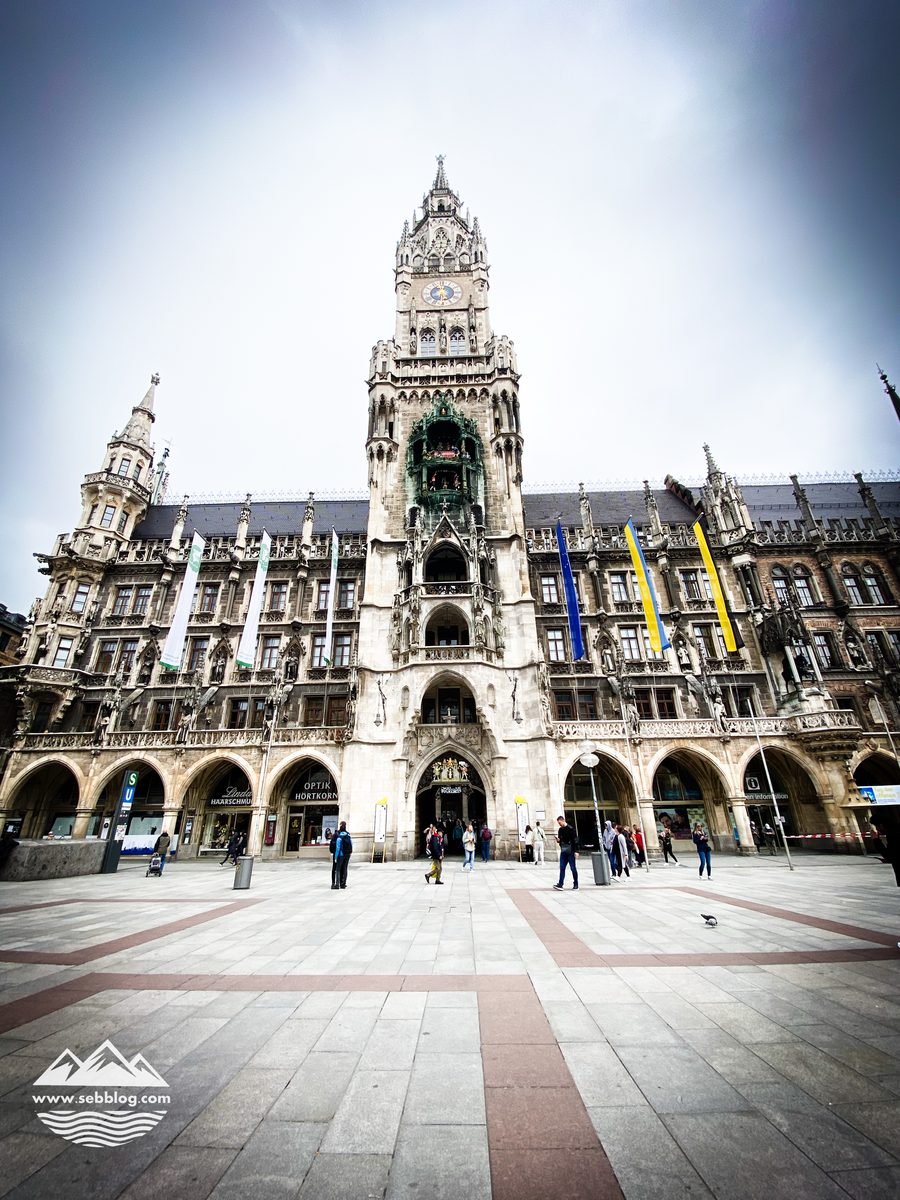
Arrive at Marienplatz. The plaza itself tells you something about Munich: it’s a market square where things actually happen. Flower stalls, vegetable vendors, beer carts. This isn’t theatrical. This is a functioning market that tourists photograph.
The Neues Rathaus (New Town Hall) dominates the square. The building is Gothic Revival from 1867. The Glockenspiel (bell tower carillon) plays at 11am and noon. Worth standing around for.
Coffee & Breakfast: Grab coffee and a pastry at Rischart. Located right at Marienplatz. This bakery has been operating since 1883. Fresh pastries, straightforward quality, rooftop terrace with church views. See our full guide: https://sebblog.com/en/rischart-the-munich-bakery-you-ll-visit-a-dozen-times-without-planning-to/
Afternoon: Beer Hall or Neighborhood
Two options:
Option A:
Hofbräuhaus. Accept what it is. This is the famous beer hall. Built 1589, it’s iconicbut genuinely touristy. 1,500 capacity. Go if you want to see it. Go in late afternoon (after 4pm) before the evening rush. See our full guide:
https://sebblog.com/en/hofbrauhaus-munchen-the-icon-unfiltered/
Option B:
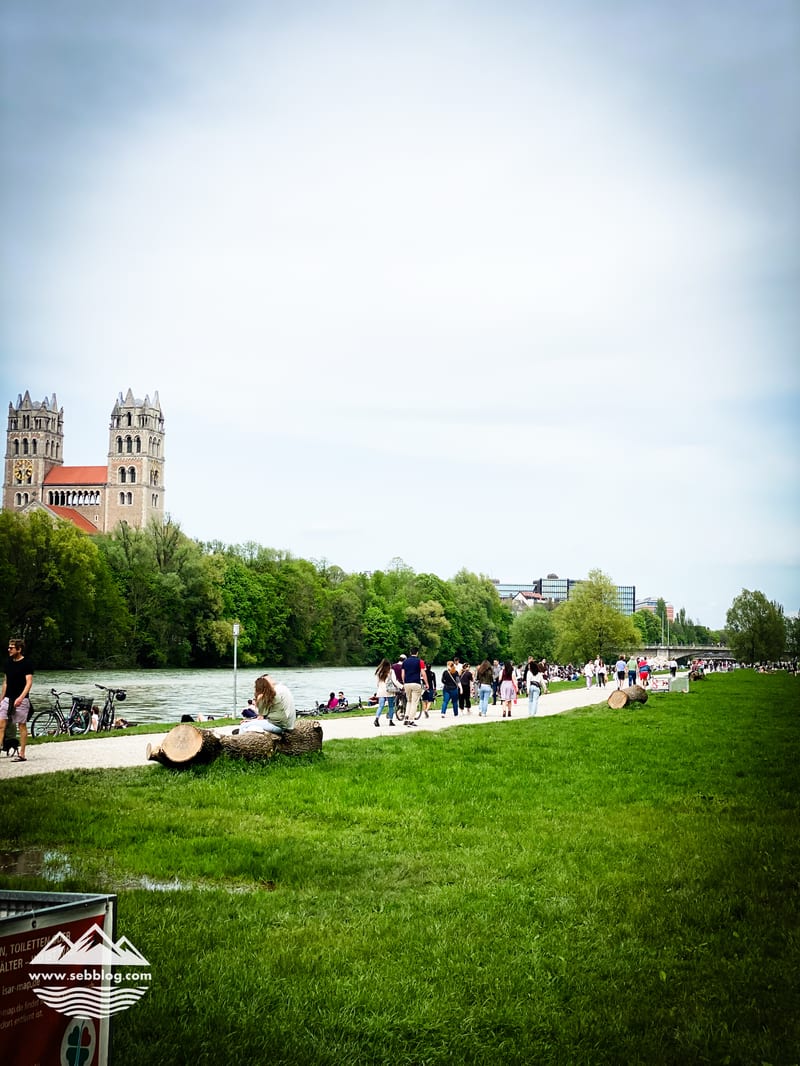
Walk the Old Town. Skip the beer hall circuit. Walk Maximilianstraße (upscale shoppingand galleries). Cross the Isar river. Explore Gärtnerplatz district (southern, younger, neighborhood cafes and restaurants).
Evening: Hochreiter Biergarten at Viktualienmarkt
This is a working market with a beer garden in the middle. Arrive around 5:30pm before the evening rush. Sit at communal benches under 50-year-old chestnut trees. Waitstaff bring beer and food to your table. The rotating brewery changes every six weeks. This is authentic beer garden culture. See our full guide: https://sebblog.com/en/hochreiter-biergarten-the-actual-heart-of-munich-s-beer-culture/
Budget: 15-20 EUR for beer, food, and atmosphere.
Day 2: English Garden and Palaces
Morning/Afternoon: English Garden
The English Garden is one of the largest urban parks in the world. Spanning 376 hectares, you’llfind beer gardens, streams, flower meadows, and nature right in the heart of Munich.
Enter at Giselastraße or Münchner Freiheit U-Bahn stops (U3, U6). The park is divided into twosections: the southern part near the city center is busy. The northern section is peaceful meadows.Walk toward the Monopteros (Greek temple with city views). Walk along the Kleinhesseloher Lake. Ifyou’re interested, the Chinese Tower beer garden is on-site (large, 7,000 seats, touristy but functional).
Budget 2-3 hours. The park is free. Only pay if you order food or drinks.
Afternoon: Nymphenburg Palace
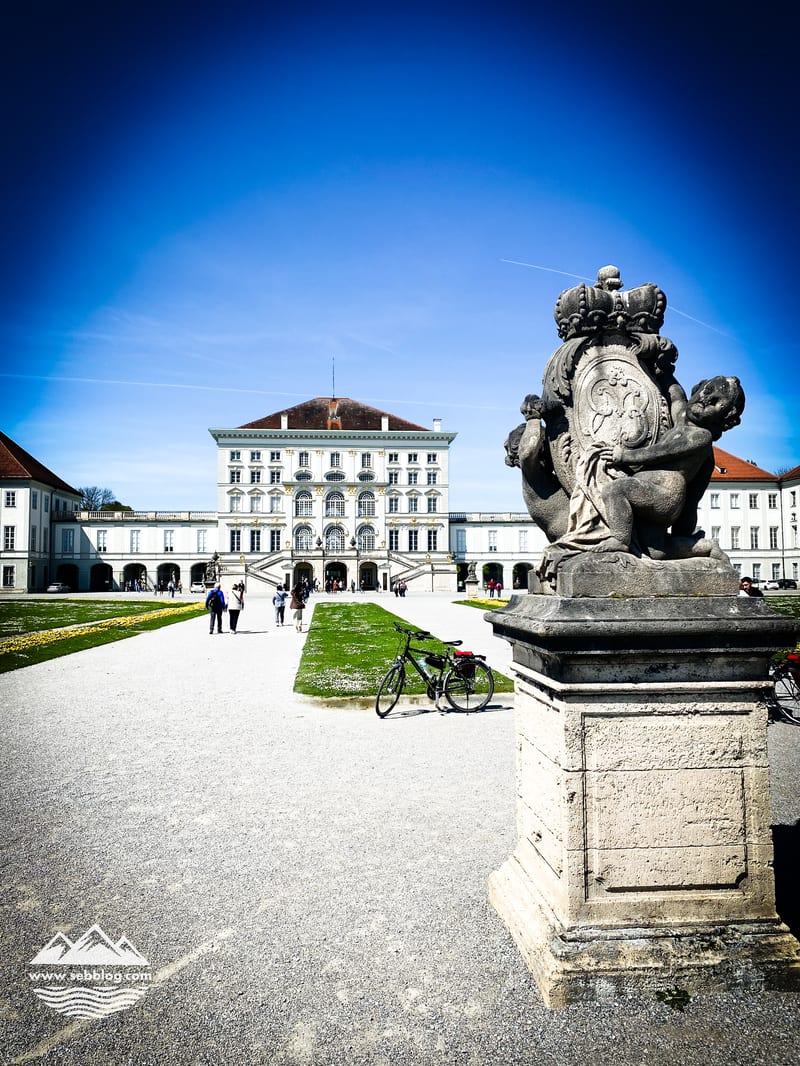
Take U1 to Rotkreuzplatz, then walk about 10 minutes to the palace. Nymphenburg is in Munich’s northwest, accessible and straightforward to reach. The palace, gardens, and surrounding park can be explored in 1-2 hours depending on your interests. The formal gardens, fountains, and palace architecture are impressive. The Marstall (Royal Stables Museum) is on-site if you’re interested in carriages.
Budget: Main palace 8-9 EUR for adults. Combo ticket (palace + Marstall + Porcelain Museum + garden pavilions) is 12-14 EUR in summer, 8-10 EUR in winter. Coffee in the palace cafe or nearby.
Evening: Schwabing Neighborhood
This is where Munich’s artistic and intellectual community historically lived. The neighborhood sitsnorth of the English Garden. Leopoldstraße is the main street with independent restaurants, smaller beer gardens, and a genuine neighborhood feel without tourist density.
Dinner at a neighborhood restaurant or beer garden. Keep it simple and
Day 3: Modern Architecture and Final Meal
Morning/Afternoon: Olympic Park
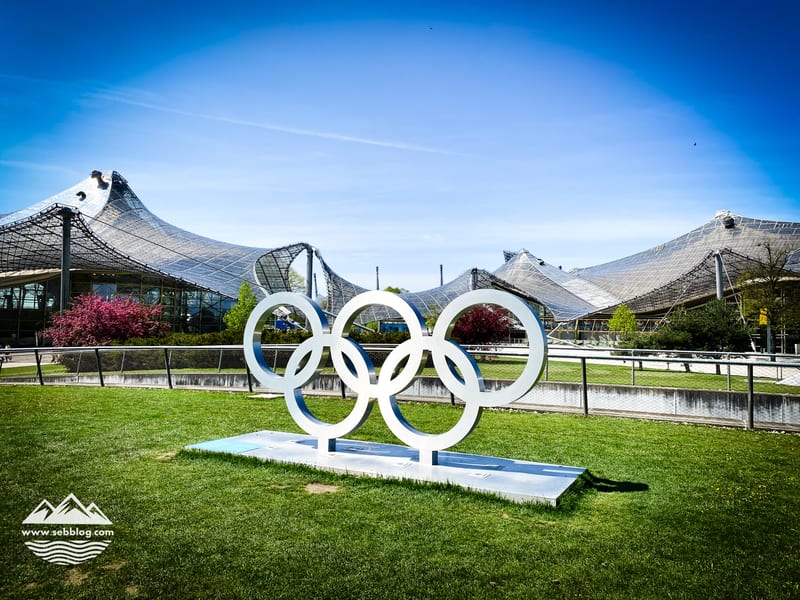
Take U3 to Olympiazentrum. The park was built for the 1972 Olympics. It’s a window into a specific moment in German architectural thinking from the early 1970s. Walk the grounds, visit the Olympic Hill (Olympiaberg) for free panoramic views across the city.
The Olympic Tower (Olympiaturm) is currently closed for renovation until late 2027, so it’s not accessible in 2026. Skip it and explore the park, lake, and surrounding areas instead.
Budget 2-3 hours for walking the park and enjoying the grounds.
Afternoon Option A: BMW Museum and Headquarters
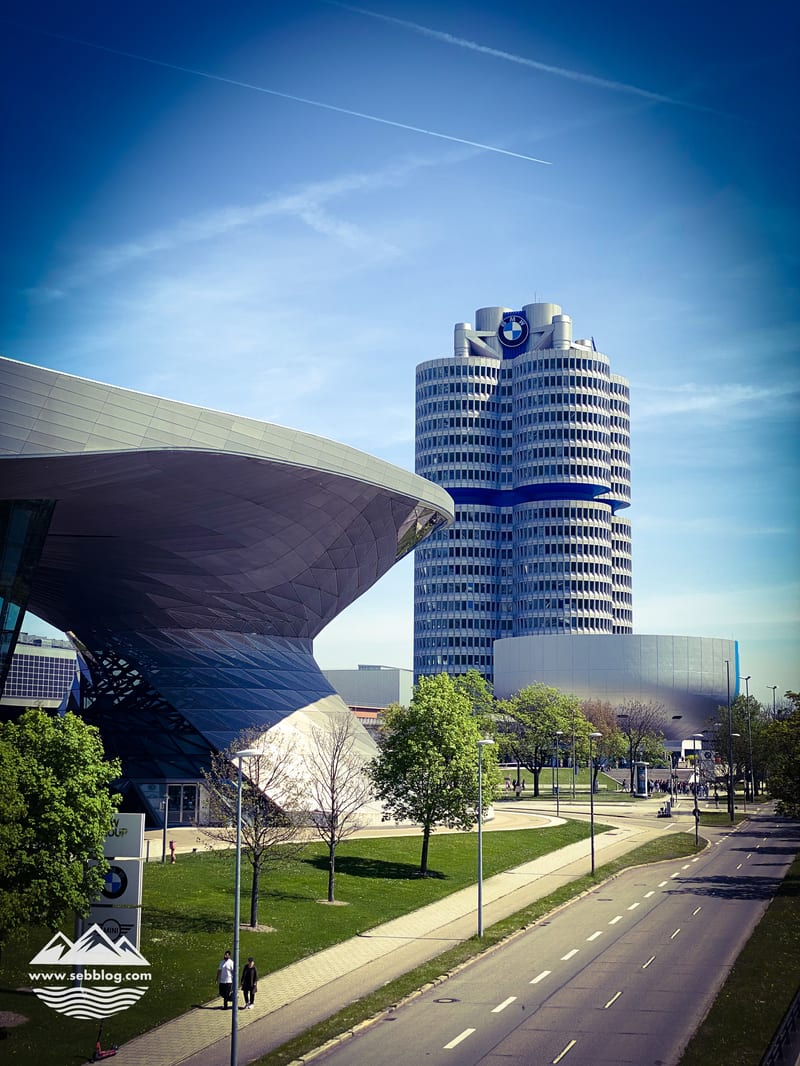
The BMW Museum and BMW Headquarters (the famous “four-cylinder” building) are nearby. Architecture matters in Munich. The headquarters building is instantly recognizable. Genuine design from 1973. The museum covers automotive history and design if that interests you.
Afternoon Option B: Deeper Neighborhood Exploration
Skip the museum. Use this time for neighborhoods you missed. Haidhausen (east of river, good restaurants and beer gardens). Giesing (south, local neighborhood feel). Maxvorstadt (university area, younger vibe, quirky cafes).
Evening: Final Restaurant
Three verified options:
Herrschaftszeiten (contemporary Bavarian). Located on Tal street, central but removed from tourist chaos. See our full guide: https://sebblog.com/en/herrschaftszeiten-modern-bavarian-in-the-heart-of-munich-s-old-town/
Augustiner am Platzl (traditional local). The place where locals actually drink. 690 years of beer tradition. See our full guide: https://sebblog.com/en/augustiner-am-platzl-where-munich-s-beer-hall-tradition-lives/
Rischart (reliable bakery/cafe). If you want consistent quality without adventure. Founded 1883. Coffee and pastries with city views from the Marienplatz location. See our full guide: https://sebblog.com/en/rischart-the-munich-bakery-you-ll-visit-a-dozen-times-without-planning-to/
Practical Information for All 3 Days
What You’ll Actually Spend
Transit pass (3 days): 23.80 EUR Meals (budget-conscious): 12-25 EUR per meal Beer: 6-8 EUR per Maß (1-liter mug)
Attractions: 8-20 EUR per museum/palace entry
Accommodation: 60-150 EUR per night depending on standard
Total realistic daily budget: 60-100 EUR per person
Language
English is spoken in central Munich, less common outside. Learn “Ja” (yes), “Nein” (no), “Bitte” (please), “Danke” (thanks), “Maß” (liter mug of beer).
When to Go
Avoid Oktoberfest (September-October) unless that’s specifically your goal. Summer (June-August) is busy but reliable. Spring and fall are excellent.
Food Rules
Bavarian food is straightforward: pork, beer, bread, sauerkraut, potatoes. Don’t overthink it. Schnitzel, Schweinshaxe (pork knuckle), Käsespätzle (cheese noodles), pretzels are reliable.
Beer Culture
Munich’s English Garden is one of the world’s largest urban parks, spanning 376 hectares. Beer is how locals socialize. A Maß (1-liter mug) is the standard. Prices 6-8 EUR. Light beer (Helles) is the daily drink. Dark beer (Dunkel) is available. Wheat beer (Weizen) in summer.
Neighborhoods to Know
Altstadt (Old Town): Central, touristy, Marienplatz is here. Walk through, don’t stay.
Isarvorstadt: South of Altstadt, residential, good local restaurants.
Gärtnerplatz: Bohemian, galleries, cafes, younger crowd.
Schwabing: North, artistic history, cafes and beer gardens, neighborhood feel.
Maxvorstadt: University area, quirky, budget-friendly food.
Things Not to Do
Skip Marienplatz at peak times (noon-4pm). Skip “famous” beer hall recommendations from guidebooks. Skip English Garden beer gardens on weekends (overcrowded). Skip restaurants near major tourist attractions (overpriced, mediocre).
Final Notes
This 3-day guide gives you the core Munich experience without pretense. You’ll understand beer culture. You’ll see architecture that matters. You’ll eat properly. You won’t feel like you’re missing something.
If you have more time, add neighborhoods (Haidhausen, Giesing). If you have less time, prioritize Day 1 and Day 2.
Munich rewards slow walking, good beer, and attention to neighborhood life. The beer halls are real. The neighborhoods are real. Everything else is optional.